Media & Press
Over the years, my research on the neurobiology of motivation, compulsive eating, and addiction has received extensive international media attention.
From scientific discoveries featured in major news outlets to personal interviews and music reviews, this page brings together selected coverage of my work and the interests that extend beyond the laboratory.
Science in the News
The neurobiological bases of compulsive eating
Our research has explored why cycles of dieting and overeating can become difficult to control. In experimental models, we identified the involvement of the brain’s stress system, particularly corticotropin-releasing factor (CRF), in withdrawal-like responses and compulsive eating.
Forbes - Obesity's Hazards and Mysteries
Forbes featured our research on the neurobiology of compulsive eating, highlighting how withdrawal from highly palatable foods can recruit brain stress mechanisms and contribute to cycles of overeating.
Is impulsivity a risk factor for food addiction?
Why do some individuals develop compulsive eating behaviors while others do not?
Our research demonstrated that higher impulsivity can precede and predict the development of food addiction-like behavior in rats, suggesting that impulsive traits may represent an important vulnerability factor.
HuffPost - Could Impulsive Behavior Lead to Food Addiction?
HuffPost reported on our findings linking impulsivity to an increased susceptibility to compulsive overeating, exploring the relationship between behavioral traits and addictive-like eating.
What compulsive eating and drug addiction have in common
Can compulsive overeating involve some of the same brain mechanisms responsible for drug addiction?
Our research demonstrated that withdrawal from highly palatable foods activates the brain’s stress system in rats, particularly corticotropin-releasing factor (CRF) signaling in the amygdala.
These findings revealed similarities between compulsive eating and drug dependence, suggesting that negative emotional states may contribute to the persistence of excessive food consumption.
Fox News - Study: Overeaters, Drug Abusers Share Addictive Brain Chemistry
Fox News featured our research on the neurobiological similarities between compulsive overeating and drug addiction, highlighting the role of CRF in withdrawal-like responses and including my comments on the mechanisms driving compulsive behavior.
International Research Highlights
When dieting resembles drug withdrawal
Repeated cycles of access to and deprivation from highly palatable foods can engage brain mechanisms also implicated in drug withdrawal.
Our experimental findings revealed how stress-related neurobiological adaptations may contribute to anxiety-like responses and excessive food consumption following periods of restriction.
The Daily Telegraph - Yo-yo Dieters Suffer Drug Withdrawal Symptoms
The British newspaper The Daily Telegraph reported on our research examining similarities between withdrawal from highly palatable foods and processes involved in drug dependence.
Exploring new approaches to binge eating
Can medications developed for other neurological disorders help reveal new approaches to treating compulsive eating?
Our research investigated memantine, a medication used in Alzheimer’s disease, demonstrating its ability to reduce binge-like eating, food-seeking behavior, and compulsive food consumption in experimental models.
We found that these cycles can produce reduced reward sensitivity and alterations in dopamine signaling in rats, potentially contributing to the persistence of compulsive eating behavior.
The Mirror - Alzheimer's Drug and Binge Eating
The British newspaper The Mirror covered our findings on memantine, highlighting the potential of targeting glutamatergic mechanisms to develop new approaches to binge-eating disorders.
How repeated overeating changes brain reward
Our research has also examined how repeated cycles of highly palatable food consumption affect the brain’s reward system.
We found that these cycles can produce reduced reward sensitivity and alterations in dopamine signaling in rats, potentially contributing to the persistence of compulsive eating behavior.
ANSA - Con diete yo yo e privazioni scatta la dipendenza a tavola (Italian)
The major Italian press agency ANSA reported on our findings showing that alternating access to highly palatable foods can alter brain reward mechanisms, providing further evidence of similarities between compulsive eating and addictive behaviors.
Interviews & Personal Stories
Becoming USA citizen
In July 2019, I became a U.S. citizen, marking an important milestone in my journey from Italy to Boston.
The experience was featured in The Boston Globe and BU Today, together with my music and reflections on immigration, identity, and the importance of defending the rights of others.
The Boston Globe/BU Today - A Journey to Citizenship Through Science and Music
In an interview with The Boston Globe and BU Today, I discussed my path to American citizenship, my academic career, and the inspiration behind Fight for Their Rights, a concept album addressing discrimination, social justice, and human rights.
From Palermo to Boston: the reality of Brain Drain
Leaving Italy was not simply a career choice, but part of a shared journey with my wife and scientific collaborator, Dr. Valentina Sabino.
Our experiences reflect the broader phenomenon of brain drain, in which talented researchers seek opportunities abroad, often because of limited career prospects, precarious working conditions, and concerns about merit-based advancement.
Together, we built our scientific careers in the United States, finding new opportunities for research, independence, and professional growth while maintaining a deep connection to Sicily and our Italian roots.
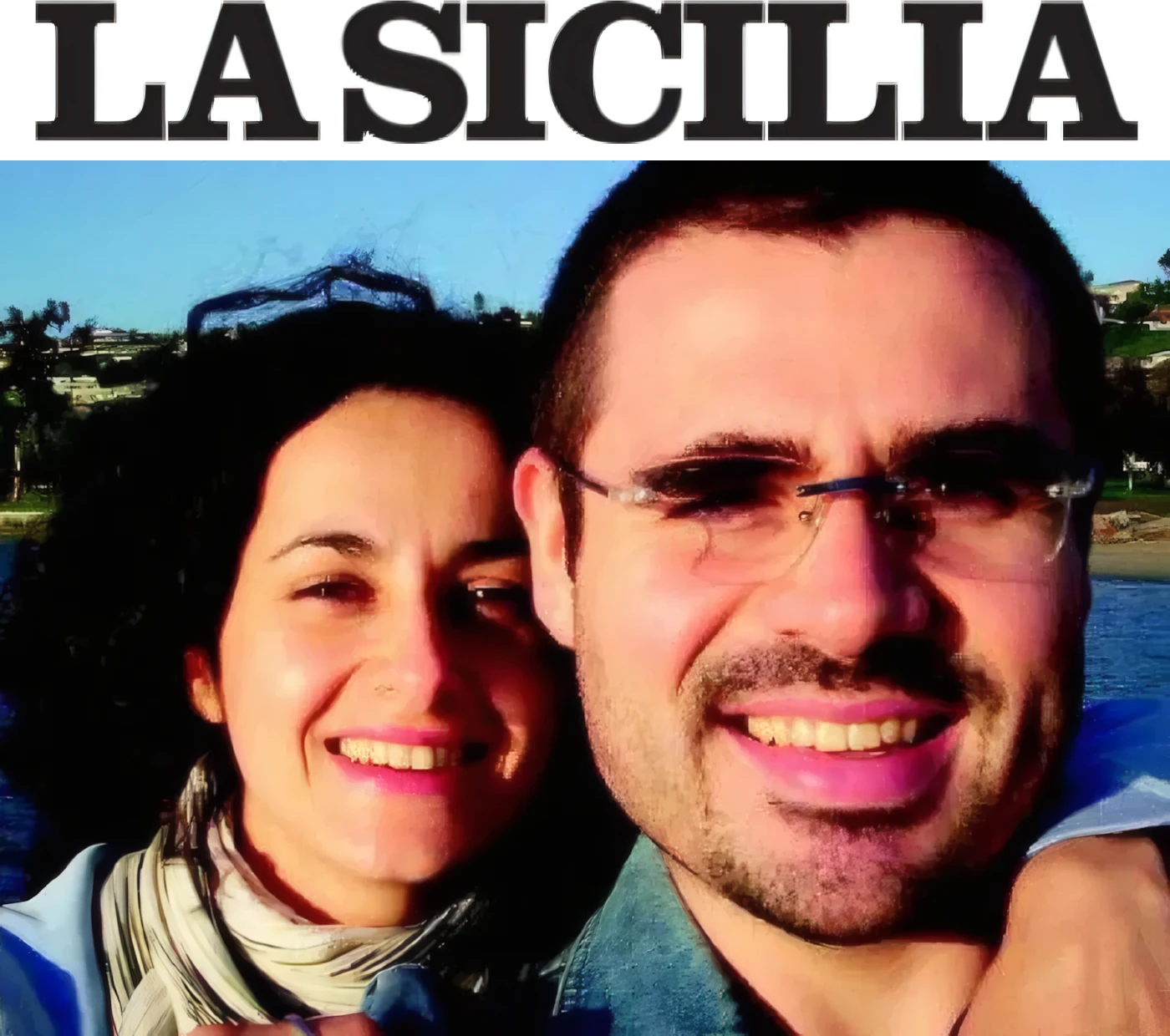
La Sicilia - Pietro Cottone, lo scienziato-musicista sfruttato in Italia e acclamato a Boston (Italian)
In this interview, journalist Maria Ausilia Boemi explores my personal and professional journey from Palermo to Boston, including the challenges of the Italian academic system and the broader issue of brain drain.
Music in the Media & Press
When science and music meet
Science and music may seem like different worlds, but both have played an important role throughout my life.
Alongside my research in neuroscience and addiction, I compose music that explores human experiences, social injustice, and the importance of giving a voice to those who are often unheard.
These two interests reflect different ways of understanding and expressing the world around me.
RAI - L'Italia con Voi: A Scientist and Musician in Boston
RAI Italia featured my story in L’Italia con Voi, a television program dedicated to Italians living around the world.
In a segment filmed in Boston, the program presented my scientific career alongside my musical work and engagement with social issues.
Music with a message
Music has always been an important part of my life and a creative outlet beyond scientific research.
My album Fight for Their Rights explores themes of social justice, discrimination, and human rights through original compositions, attracting attention from music publications.
Stereo Stickman - Fight for Their Rights
A review of my concept album Fight for Their Rights, which combines original rock compositions with themes of human rights and social awareness.
Music inspired by literature
My instrumental concept album Inferno draws inspiration from Dante Alighieri’s Divine Comedy, translating the atmosphere and emotional intensity of his literary journey into music.
The album received coverage from international music publications.
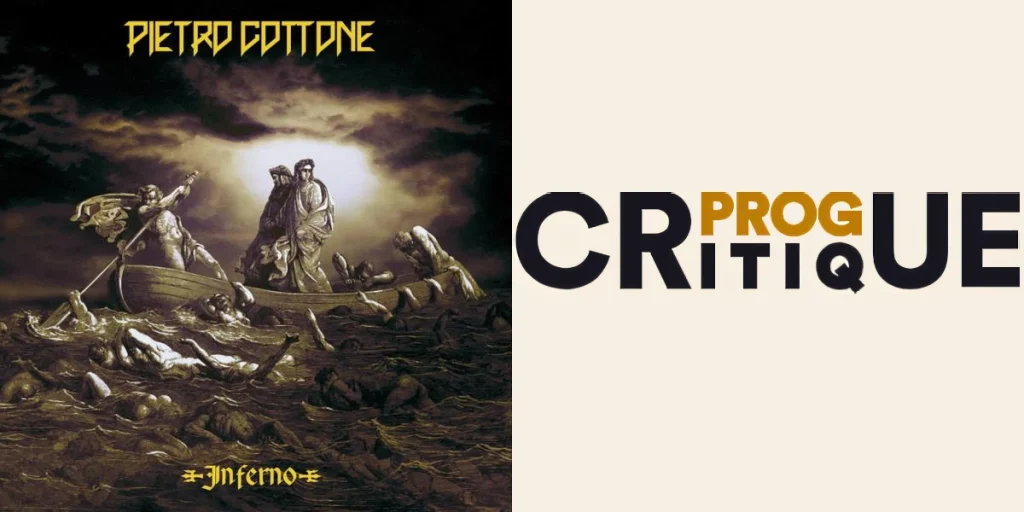
ProgCritique - Inferno (French)
A French-language review of Inferno, my instrumental concept album inspired by Dante’s journey through the underworld.